
Are 1,200-calorie plans safe? A dietitian explains the risks—and smarter weight loss.
Scrolling through social media, you’ve probably seen countless diet trends promising quick results with extreme calorie restrictions. The 1,200-calorie diet has become particularly popular, but the conflicting headlines can leave you confused about what’s actually safe and effective. Read on to discover the truth about ultra-low-calorie diets and learn healthier approaches to sustainable weight loss.
How to Navigate Overwhelming Nutrition Advice Online

Nutrition advice online can be overwhelming, especially when the headlines are contradictory (fat is bad! Fat is good!). A good rule of thumb is to look for recommendations that are grounded in credible science and shared by registered dietitians or qualified healthcare professionals. Just because everyone eats doesn’t make them an expert on nutrition.
Advice and recommendations should feel sustainable and realistic long-term. If it sounds extreme or too good to be true, it usually is. At Virta, we focus on clinically proven nutrition strategies that improve metabolic health and quality of life, while delivering sustainable weight loss.
What Happens When You Try Extreme Low-Calorie Diets

I’ve worked with many people who’ve tried various dietary approaches, including strict low-calorie diets, sometimes eating as little as 1,200 calories a day (or less!). While they may see short-term weight loss, most struggle with constant hunger, fatigue, and a sense of failure when they can’t maintain it. Often, the weight comes back – and sometimes it’s even more than before.
These diets are rarely sustainable, which leads people to blame themselves rather than the diet. At Virta, we take a different approach. Instead of deprivation, we help people eat satisfying, nutrient-dense meals that improve blood sugar and weight without hunger. This shift helps people rebuild confidence and find success that lasts, while still finding food enjoyable.
Is the 1,200-Calorie Diet Safe for You?

For most adults, 1,200 calories is considered the lower end of daily intake, and while it may be appropriate in some medical contexts under supervision, it generally isn’t enough to meet basic energy and nutrient needs. The bigger concern is when people dip below 1,200 calories or sustain this level long-term without oversight – that’s when risks grow with regard to inadequate energy and nutrient intake.
At Virta, we focus less on chasing a specific calorie number and more on improving and optimizing metabolic health through sustainable nutrition.
RELATED: 5 Standing Exercises That Build Muscle Better Than Gym Machines After 50
The Health Risks You Need to Know About
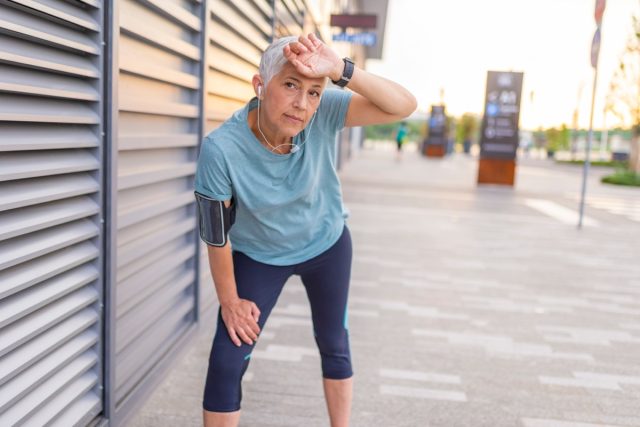
Chronic calorie deprivation can cause:
- Fatigue and low energy
- Irritability and mood changes
- Nutrient deficiencies
- Hair loss
- Hormonal imbalances
- Bone loss over time
It can slow metabolism, making weight loss harder to sustain, and the psychological toll of long-term restriction often fosters cycles of yo-yo dieting and a damaged relationship with food.
How Your Calorie Needs Are Determined

There are equations that estimate calorie needs based on age, biological sex, body size, and activity level. But those numbers are just a starting point, and we can make adjustments based on one’s goals, overall health status, and daily routines. Someone that is more active will have higher calorie needs, and as we age, our calorie needs generally decrease.
Warning Signs You’re Eating Too Few Calories

Some red flags include:
- Constant fatigue or low energy
- Feeling cold all the time
- Irritability
- Hair or nail changes
- Poor sleep
- Difficulty concentrating
- For women, loss of menstrual cycles
If you notice these symptoms, I would recommend seeking professional guidance (PCP and/or registered dietitian) and consider re-evaluating your diet.
When 1,200 Calories Might Be Appropriate
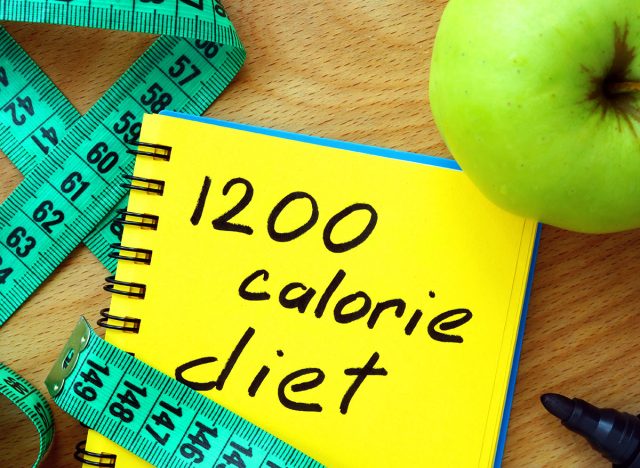
There may be some situations where 1,200-calorie (or less) diets are appropriate, but generally these are followed under close medical supervision for short periods of time. For most people, especially without medical oversight, consuming 1,200 calories or less long-term isn’t appropriate.
The real risk isn’t 1,200 calories itself, but ongoing calorie deprivation that drops intake below that level or extends it beyond what’s safe. At Virta, we’ve shown that people can lose weight and reverse type 2 diabetes without needing to resort to such restrictive approaches.
A Better Approach to Weight Loss

Rather than focusing on eating less (and exercising more), which often leads to a restrictive mindset and an unhealthy relationship with food, I encourage people to shift their approach to eating differently and make small, sustainable changes. I like to frame it around what we can add more of – like non-starchy vegetables – rather than just what we’re taking away.
Swaps can also be powerful: replacing refined carbs and processed foods with whole, nourishing alternatives. It’s also important to focus on foods that fuel you and help your body feel good, like lean proteins and healthy fats.
Looking for more easy ways to lose fat? Here’s How Long Your Walking Workout Should Be To Shrink Belly Fat.