
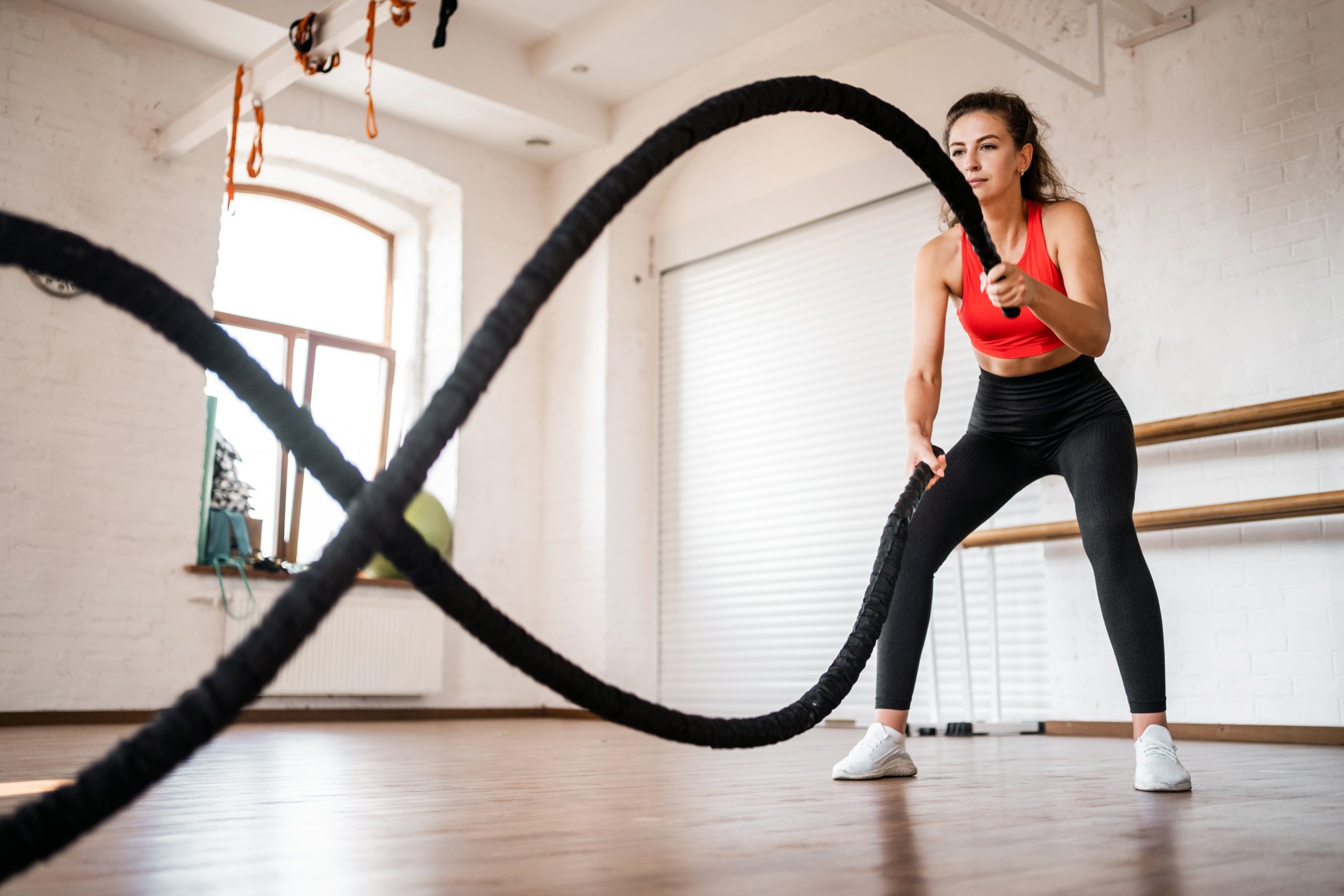

Most people think athletes are those who train for a sport. But what if you’re already training—just without meaning to?
Why Most People Don’t See Themselves as Athletes
When I was younger, I believed that strength training—or even training hard—was only for athletes: people preparing for a competition or a race of some kind. If you played a sport, I could see how it might be useful. But I wasn’t doing any of that.
I didn’t really understand why a “regular” person who studied or worked a 9–5 job would benefit from spending time training. What would they even need all that strength for?
I never once thought of myself as an athlete. And it probably comes as no surprise that I wasn’t great in PE. I passed, but I was no fitness phenomenon. The kids who excelled were the ones who played sports, and this only reinforced my belief that I was indeed not an athlete—because I couldn’t do what they did.
In high school, I became very focused on my grades because I wanted as many options as possible when it came time to choose a university. My PE score was dragging down my average, which I hated. Still, it never occurred to me to train outside of class.
The Moment I Realized Training Isn’t Just for Sports
Then one day, I was in a motorcycle accident.
I hit a car and did a full somersault over it. Thankfully nothing was broken, but I bruised my pelvis badly, and it took a long time before I could even walk properly again.
Not being able to fully participate in PE affected my grade… again. So I made a decision. I would train for a timed running event we would be tested on about nine months later, hoping that would raise my final grade enough.
For the first time in my life, I had something specific to train for. I worked hard to learn how to run faster than I ever had before. And I actually did it—I passed the test! (Funny enough, I still didn’t get the final PE grade I wanted.)
But that whole experience of not being able to walk, then training myself to run faster than I ever had, taught me something important.
Training isn’t just important for athletes. It’s important for everyone.
You Are Already Training for the Sport of Life
If you have a body, you already are an athlete—training for the sport of life, whether you mean to or not.
And let’s be honest: most people don’t start exercising because they want to “optimize performance.” They do it for their health. I worked for many years at a high-end rehab clinic, and the people who came to us had back pain, shoulder pain, knee pain—you name it. And not from sports injuries, just from everyday life.
How they moved (or didn’t move) day after day had slowly caught up with them.
They couldn’t sleep properly or play with their kids as they wanted. They couldn’t do their jobs without always being in pain.
And to many of us, it might feel like the pain comes out of nowhere—but it doesn’t. It has been building for years. And I can confidently say it’s not due to age, genetics, or “sleeping wrong.” It’s that your body can no longer handle what daily life is asking of it.
Just like an athlete who places too much strain on their body without adequate preparation ends up injured, the same thing happens when your fitness level doesn’t match the demands of your everyday life.
So what actually makes you so different from an athlete?
Everyday Movements Are More Athletic Than You Think
Everyday life is far more athletic than we realize.
-
Getting into your car is a single-leg squat with rotation, balance, and coordination.
-
Getting on and off the toilet is a squat.
-
Carrying groceries from the car challenges your grip, arms, and core.
And that doesn’t even include people with physically demanding jobs.
When your strength, balance, or mobility doesn’t match these movements, your body finds a workaround—usually in the form of compensation, strain, or pain.
That’s the real cost of the belief that training is “extra” or only for athletes.
What It Really Means to Be Athletic
So what if we stopped asking, “Am I an athlete?”
And started asking:
“What does my life require my body to do—both now and in 10, 20, or even 30 years from now?”
Being athletic doesn’t mean being extreme or winning competitions. It means helping your body meet the demands of your life with enough margin that movement feels easier, not harder.
Being an “athlete” isn’t a title you have to earn.
It’s about staying capable, confident, and independent in your own body for as long as possible.
Whether you’ve ever played a sport or not doesn’t change that.
You already qualify. —Marlene