
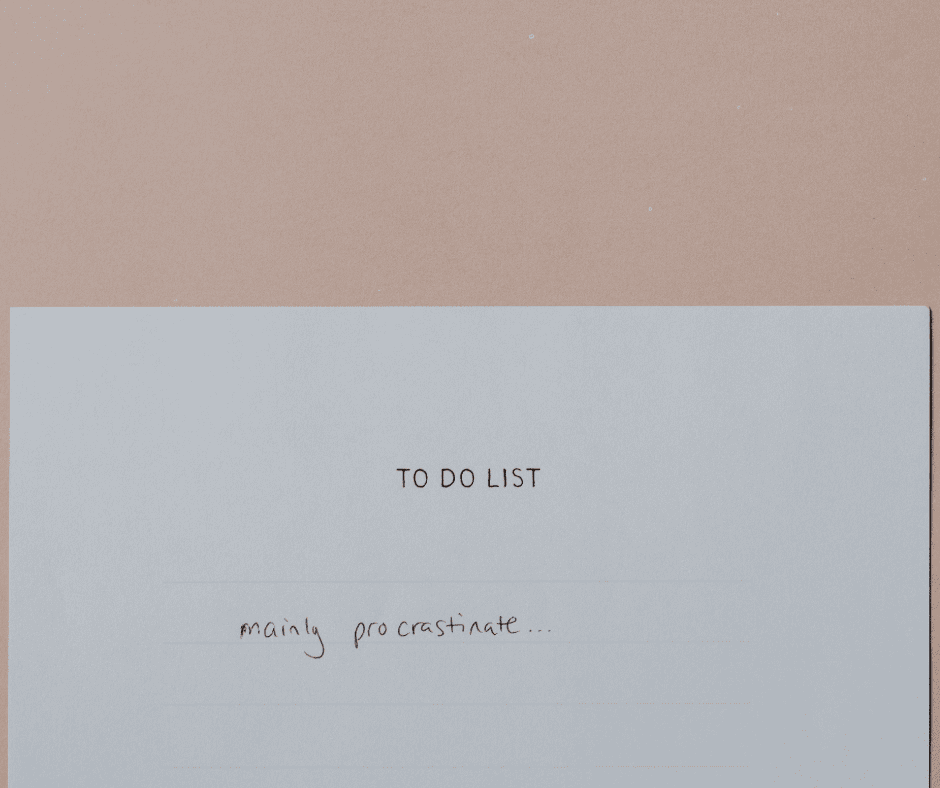
I’ve spent years thinking, writing, and talking about why we procrastinate, so I came into this conversation with strong opinions already in place. What I didn’t expect was how cleanly Robin J Emdon’s framing would sharpen one of them. Most productivity advice — including plenty I’ve heard repeated for two decades — treats procrastination as a problem of systems and follow-through: the right structure, the right habit, the right nudge at the right moment.
Robin’s case is that underneath the systems sits something the systems can’t touch. Procrastination is emotional — a survival instinct — and you cannot organize your way out of an emotion. That doesn’t overturn what I believe about productivity. If anything, it lands on the same ground I’ve argued from for a long time: this is about being productive, not merely doing productive. Robin just gets there through the science, and the route is worth walking.
Why we procrastinate isn’t a willpower problem
Strip the science of its jargon and the mechanism is almost embarrassingly simple. Your brain is wired to keep you safe. When a task feels threatening — too hard, too ambiguous, too likely to end in a verdict on your competence — it registers as a small threat. And in the face of a threat, the brain does what it has always done: it looks for safety. The dishes, the inbox, the suddenly urgent need to clean the garage. None of it is laziness. In the moment, it’s relief.
So the honest answer to why we procrastinate isn’t “you’re undisciplined.” It’s “starting felt worse than not starting, and your nervous system voted accordingly.” That’s not a flaw to be punished. It’s information.
The reason we stall is emotional, not logical
Here’s the uncomfortable part: when you’re avoiding something, you’re meeting a real need. You’re choosing the thing that feels better right now. The regret only arrives later, once the relief wears off and the task is still sitting there. Procrastination is emotional all the way down — which is why a purely logical fix (just make a plan and follow it) keeps failing the moment the plan stops feeling good.
Robin is refreshingly candid that understanding this didn’t make him immune. He still calls himself a chronic procrastinator. The difference is that he now catches it earlier, because he stopped fighting the wrong battle.
Why goals can make procrastination worse
This is where it gets counterintuitive, and where it rearranged how I think about my own work. We’re told the answer to drift is goals: set them, write them down, hold yourself to them. But a goal, by its nature, creates a feeling of obligation. And obligation is a source of stress. So a goal can manufacture the very pressure that triggers the avoidance you set the goal to defeat.
You already have the field evidence. Every January, a population of well-intentioned people set resolutions, and most are finished by the third week of the month — not because the people are weak, but because a freshly minted obligation is a freshly minted stressor. If goals reliably worked the way we pretend they do, New Year’s Eve would be a celebration of resolutions kept. It isn’t. This is also why I’ve come to treat goals inside TimeCrafting as signposts rather than masters — useful for direction, dangerous as a source of pressure.
What pulls you forward when motivation runs dry
So what replaces the goal? Not nothing — something deeper. Robin calls it a personal life vision, and the distinction is that a goal is about doing while a vision is about being. It’s not a target on a calendar; it’s a sense of who you are at your core and who you’re becoming.
The example that stuck with me: imagine the dishes are stacked in the sink, and your kitchen table is the only space you have to spread out your books and study toward a career that’s fifteen years away. Suddenly “should I do the dishes now or later?” isn’t a chore negotiation. It’s a question about whether tonight moves you toward that future self or away from it. The dishes don’t change. Your relationship to them does. That alignment between what you do and who you are is the whole argument behind Productiveness — being productive rather than merely doing productive.
What changes when you understand why we procrastinate
Once you accept why we procrastinate — that it’s emotional, not a discipline gap — the practice changes shape. You stop trying to out-muscle the avoidance and start getting clear enough on who you’re becoming that the next right action stops feeling like a fight.
Robin’s own version is disarmingly small. Most mornings he walks, sits somewhere pleasant, and spends sixty seconds reconnecting to the question: who am I becoming, and is this moving me toward that? Not a system. Not an app. A minute of remembering why any of it matters. If you want the longer version of his thinking, he gives the whole book away free at reallyusefultips.com.
That’s the reframe in one move. Stop trying to discipline your way out. Get clear on who you’re becoming — and let the next hour belong to that person.