

Disclosure: As an affiliate partner and Amazon Associate, I earn from qualifying purchases.
✅ Quick answer
If you used a mild at-home peel, slugging later that day or at bedtime may help if your skin simply feels dry and tight. If you had a professional medium or deep peel, follow your provider’s aftercare instructions before using heavy occlusive products.
Slugging after a chemical peel may help reduce moisture loss and leave your skin feeling softer and more comfortable. For some people, it can also leave skin looking smoother and more hydrated. The key is knowing when it’s appropriate—and when it’s better to wait.
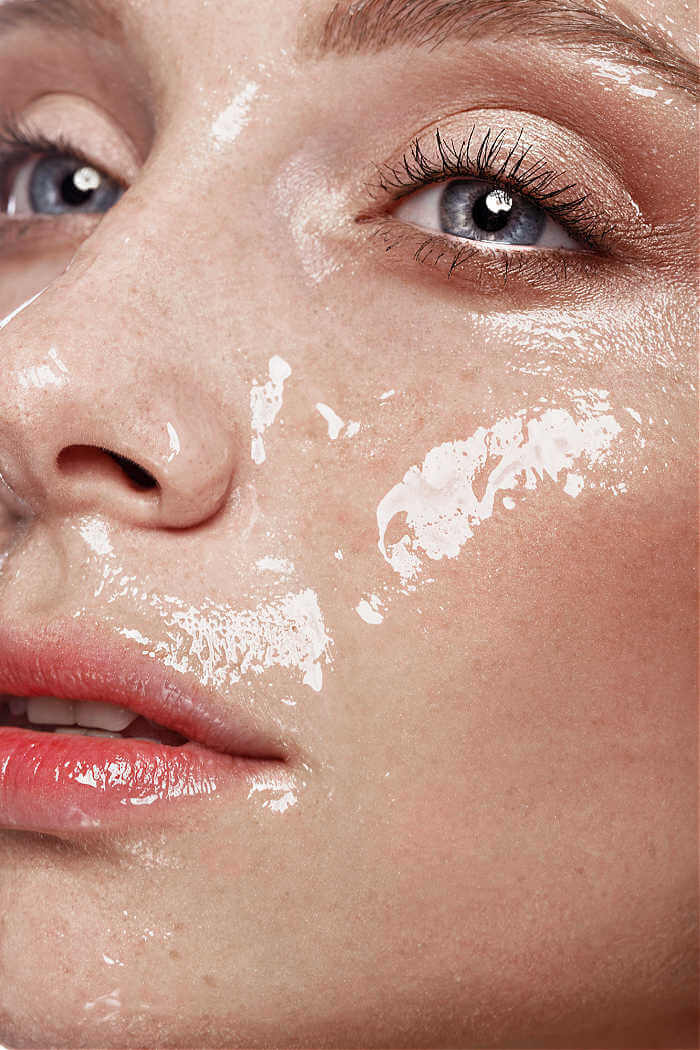
Slugging usually includes the use of products such as Vaseline, Aquaphor, or other occlusive moisturizers.
But the question is: Which one should you opt for?
Also, is it safe to put these on right after chemical peels, or should you wait? When’s the best time to do it?
I’ve covered the main questions, along with what I personally do after mild at-home chemical and exfoliating treatments. Keep reading…
What is slugging
Slugging refers to a hydrating nighttime skincare routine.
It’s where you apply a thick layer of petroleum jelly or some type of occlusive moisturizer to your face before going to bed.
The purpose of slugging is to create a moisture barrier that prevents water loss, and promotes skin hydration during the night.
Why is this skincare routine called slugging?

Believe it or not, but the term was inspired by those slimy little garden adventurers – slugs!
It’s all about the thick layer of gooey moisturizer (usually petroleum jelly) that makes your face shine like a slug’s trail.
So, when you’re slugging in skincare, you’re basically turning your face into a glamorous slug runway. Who knew skincare could be so slimy and stylish at the same time?😄
How does slugging work
Slugging is simple: after exfoliating or cleansing, you apply a thin layer of petroleum jelly or another occlusive moisturizer as the last step in your nighttime routine.
It works by helping reduce moisture loss while you sleep. You leave it on overnight, then wash your face gently in the morning.
After a chemical peel, though, timing matters. The step-by-step routine farther down explains when I use it after a mild at-home peel.
Is slugging after a peel safe
Whether slugging is a good idea depends on the type of peel you had.
If you had a mild at-home peel, such as an AHA, BHA, or lactic acid peel, slugging later that day or before bed may help if your skin simply feels dry and tight.
If you had a professional medium or deep chemical peel, always follow your provider’s aftercare instructions. Recovery is different after stronger peels, and your provider may recommend waiting before using heavy occlusive products like Vaseline or Aquaphor.
Why?
Slugging works by sealing moisture into the skin with a protective barrier.
After a stronger peel, though, your skin may be more sensitive and need a simpler recovery routine at first. Following your provider’s instructions is the safest approach until your skin has started to recover.
How to do slugging after a peel
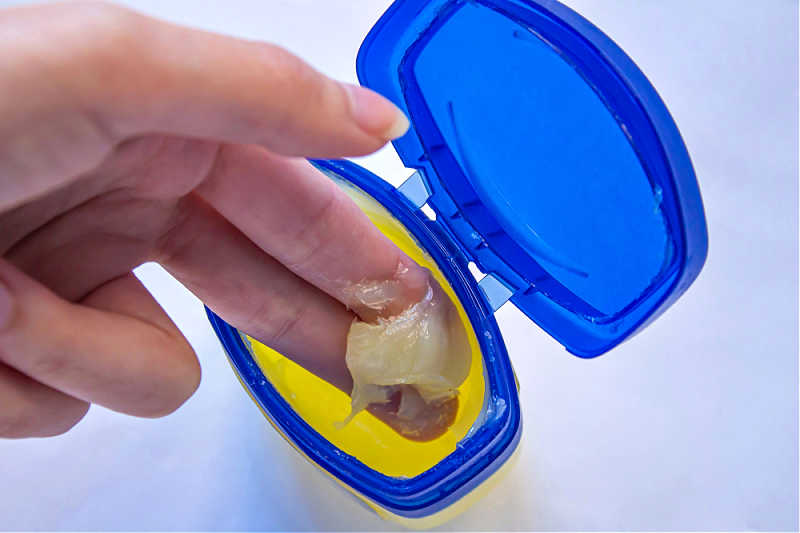
If you’ve used a mild at-home peel, such as an AHA, BHA, or lactic acid peel, a thin layer of an occlusive moisturizer may help if your skin feels dry or tight afterward.
In my experience, my skin often feels tight and dry after an at-home lactic acid peel. Applying a thin layer of Vaseline or another occlusive before bed helps my skin feel more comfortable by morning.
Personally, my face always feels a bit tight and dry when I do an at-home peel using 70% lactic acid. But slugging before going to bed, really helps relive the tightness and makes my skin look better in the morning.
Here’s a step-by-step guide on how to do slugging after an at-home superficial peel

Here’s a simple routine I use after a mild at-home peel when my skin feels dry and tight.
- Finish your at-home peel. Follow the directions that came with your peel.
- Rinse and pat dry. After the recommended peel time, rinse well and gently pat your face dry with a clean, soft towel.
- Give your skin a little time. Follow the instructions that came with your peel. If your skin still feels very sensitive, wait. If it simply feels dry and tight later that day or before bed, apply a thin layer of an occlusive moisturizer—such as Vaseline, Aquaphor, or CeraVe Healing Ointment—to help seal in moisture.
- Apply a thin layer. Gently smooth the product over your face. You don’t have to goop it on like they do on TikTok. 😊Tip: Don’t apply it too close to your eyelids. It can migrate into your eyes and cause blurred vision or discomfort.
- Leave it on overnight. Slugging is a nighttime routine. Leave it on while you sleep so it can help reduce moisture loss. You may want to put a towel over your pillowcase.
- Wash your face in the morning. Use your regular gentle cleanser to remove the product. Your skin should feel softer and better hydrated.
- Don’t forget sunscreen. If you’re heading outside the next day, apply sunscreen since your skin may be more sensitive after a peel.
Everyone’s skin is different, so pay attention to how your face feels. If your skin becomes more irritated instead of calmer, stop slugging and let your skin recover.
Slugging with Vaseline, Aquaphor or CeraVe
Which is better for slugging after a mild at-home peel: Vaseline, Aquaphor, or CeraVe Healing Ointment?
All three help seal in moisture, but the formulas are different. The better choice depends on how sensitive your skin is and whether you prefer a simple formula or one with added moisturizing ingredients.
Vaseline
Vaseline contains 100% petroleum jelly, making it the simplest option of the three.
It helps reduce moisture loss by forming a protective layer over the skin. Because it has a short ingredient list, it may be a good starting point if your skin is sensitive or easily irritated. It is also inexpensive and easy to find.
Aquaphor Healing Ointment
Aquaphor contains petrolatum along with ingredients such as mineral oil, glycerin, panthenol, and lanolin alcohol.
The added ingredients may feel more moisturizing than plain Vaseline. However, lanolin can bother some sensitive skin, so it may not be the best choice if you already know your skin reacts to it.
CeraVe Healing Ointment
CeraVe Healing Ointment contains petrolatum along with ceramides and hyaluronic acid.
I like that it offers the sealing effect of an ointment along with ingredients that support moisture and the skin barrier. However, that does not automatically make it the best option for everyone. After a peel, the simplest formula may sometimes feel better.
Final tips about slugging after a chemical peel
Slugging after a chemical peel does not always mean applying an ointment right away.
After a mild at-home peel, wait until your skin feels calm and mainly dry or tight—not hot, raw, or increasingly irritated.
Use only a thin layer of Vaseline, Aquaphor, or CeraVe Healing Ointment before bed. More is not necessarily better.
In the morning, wash your face gently and apply sunscreen before heading outside.
The main thing is to follow the directions that came with your peel and pay attention to how your skin responds. If slugging makes your skin sting, burn, or feel worse, stop and keep your routine simple while your skin settles.
Want More?
I share quick routines, beauty tweaks, and what’s working for me — straight to your inbox. Join the Club and get this free Cheek Shaper Video.


About the Author:
Linda Robison is an anti-aging advisor for women over 40, sharing natural methods, facial exercises, and beauty routines she’s personally tested over the years for smoother, firmer-looking skin. She spent nearly 15 years as an Anti-Aging Health Advisor at the Life Extension Foundation and has been testing facial anti-aging techniques for over 30 years, including training in Carolyn’s Facial Fitness. Her tips have been featured in GB News and Beauty Box Magazine. You can also view her background on LinkedIn. For more everyday tips follow along on Pinterest.
Found this helpful? Tap the 💙 in the bottom right corner
SHARE OR SAVE THIS 💗
SHARE OR SAVE FOR LATER: