

Welcome to Ben Greenfield’s Weekly Roundup!
In this weekly post, I share with you my most interesting discoveries of the week, including the latest news on the fronts of fitness, nutrition, health, wellness, biohacking, and anti-aging research. I also recap my upcoming events and special announcements so you can keep up with opportunities to learn, giveaways, discounts, and more!
New Discoveries
From a 1921 Diabetes Breakthrough to a $70 Billion Revolution, *These* Precision Molecules Are RESHAPING Modern Medicine 🧬⚡
Peptides aren’t just expensive weight-loss injections or a niche biohacker trend…
After reading one of the most comprehensive reviews ever published on peptide therapeutics, I’m convinced peptides are rapidly becoming one of the most important frontiers in modern medicine.
These treatments can target disease with incredible precision, improve drug delivery, reduce collateral damage to healthy tissue, and potentially reshape everything from obesity treatment to cancer therapy.
If you’re new to the world of peptides, they’re short chains of amino acids, the same building blocks your body already uses to regulate blood sugar, control hunger, and support immune function.
Scientists have now learned to engineer them as precision therapeutics, and the results over the past decade have been remarkable.
This field began in 1921 when insulin, a 51-amino acid peptide, was first isolated and used to treat diabetes. That discovery alone saved millions of lives and launched an entirely new category of medicine. Since then, more than 80 peptide drugs have been approved worldwide, with another 170+ currently in active clinical trials.
Traditional small-molecule drugs are inexpensive and often orally available, but they’re relatively blunt instruments. Because of their size and structure, they frequently interact with unintended targets, leading to side effects.
Peptides are larger, more flexible, and usually far more precise, as they’re capable of binding to complex protein interaction sites that small molecules simply can’t reach.
The most commercially successful peptide drugs today are ones you’ve probably already heard of. GLP-1 analogs like semaglutide (Ozempic), liraglutide (Victoza), and dulaglutide (Trulicity) generated over $9 billion in sales in 2019 alone, before the weight-loss boom even accelerated. These drugs are essentially engineered versions of gut hormones your body already produces naturally, modified to last longer and bind more effectively.
Here’s what most people miss about peptide drugs: discovering them isn’t the hard part; keeping them alive long enough to work is.
Natural peptides break down rapidly, digestive enzymes destroy them, and the kidneys clear them quickly. A peptide with a 7-minute half-life is essentially useless therapeutically. So researchers learned to attach fatty acids, PEG molecules, and redesigned amino acid backbones to help peptides survive in the body far longer than nature originally intended.
One of the more fascinating tools in peptide science is genetic code expansion. Your body builds proteins from 20 standard amino acids, but this technology allows researchers to insert non-standard amino acids, ones not found in nature, directly into peptides. This can improve stability, strengthen binding, and in some cases create permanent bonds with therapeutic targets. More than 200 of these novel amino acids have now been encoded into living organisms.
Peptides are also reshaping cancer treatment, not just as drugs, but as targeted delivery systems. Researchers are attaching radioactive isotopes, chemotherapy agents, and gene-silencing molecules to peptides that seek out receptors found primarily on tumor cells. The peptide finds the target, the payload does the work, and healthy tissue experiences far less collateral damage.
The antiviral applications deserve attention, too. Enfuvirtide was the first approved antiviral peptide, a 36-amino acid chain that physically blocks HIV from fusing with human cells. During COVID-19, peptide vaccine research accelerated dramatically, and while no peptide-based COVID vaccine has been approved yet, the groundwork laid during the pandemic will likely shape future antiviral therapies and vaccine development.
Peptides are now being studied across cardiovascular disease, Crohn’s disease, short bowel syndrome, osteoporosis, kidney protection, neurodegeneration, and even stress-induced gastric damage. The global peptide therapeutics market surpassed $70 billion in 2019, more than double its size just six years earlier.
This is no niche category. It’s one of the fastest-growing sectors in medicine.
The delivery problem is getting solved, too. For decades, nearly every peptide drug required injection because stomach acid destroys peptides before they reach the bloodstream. But oral semaglutide is now approved; researchers are developing absorption enhancers and enzyme inhibitors to improve oral delivery, and inhalable insulin, along with implantable peptide pumps, are actively being explored.
Peptide therapy is one of the areas I’ve tracked closely for years, and this review makes it clear we’re still only scratching the surface of what’s possible. The full PMC review is here for anyone who wants to go deeper into the science.
And if you want to explore how peptides are already being used for recovery, performance, longevity, body composition, and beyond, check out my peptide resources below:
- Ben Greenfield’s Peptides Resource Page.
- The AMAZING Future Of Regenerative Medicine, The New Sexier Alternative To Stem Cells, Where You Should Get Peptides (& The Best Peptides Stacks) & More With Dr. Matt Cook
- Peptides, Biologics & Small Molecules You’ve *Never Heard Of* For Sleep, Mitochondria, Kidney Health & More, With Jim LaValle
- The Best Peptide & Supplement Stack For Hair Growth, Smart Drugs For An Aging Brain, “Aging Anxiety” & More! Solosode #499.
- A Done-For-You “Shotgun” Formula For Fixing Your Digestion (The Gut Repair Formula), Oral Peptides, Mold & More With LVLUP Health’s Kyal Van Der Leest.
- PEPTIDES: Unlocking Muscle Growth, Fat Loss, Gut Healing, Longevity & The Truth About GLP-1 Drugs – “Best Of” Episode
- How To Use Testosterone, Peptide Stacks That Will Blow Your Mind, The Truth About Getting Peptides On The Internet, & Much More With Jay Campbell.
- The Coolest, Craziest Peptides You’ve Never Heard Of (& Where To Get Them), Boosting Testosterone Without Drugs, The Newest Creatine Booster & More With LVLUP Health’s Kyal Van Der Leest
- Why Your Peptides Might Be Dangerous (& Where To Get CLEAN Peptides), How Women Should Eat, Supplement & Train Differently Than Men, & More With Dr. Melissa Grill-Petersen.
Should I Create A Boundless Audiobook? I Need YOUR Input 🎧
 You may already know about my best-selling book, Boundless: Upgrade Your Brain, Optimize Your Body & Defy Aging…
Everything you’d ever want to discover about biohacking, gut health, hormones, longevity, digestion, and more is within the pages of this book.
The *fully updated* and revised edition came out a few months ago, but let’s be honest: it’s a big book (the original manuscript was over 1,500 pages, but I cut it down to about 700).
I know it can be intimidating or too time-consuming to read a book this size, so what if I created an audio version for you that’s available on Audible and other audiobook platforms?
That way, you can absorb the material while driving, walking, training, traveling, or doing just about anything.
But before I produce it, I’d love your feedback to see if this would be useful to you.
If you’d be interested in listening to Boundless, please take a few seconds to let me know.
You can share your opinion here (the poll will be open from June 4–17).
Thanks for helping me decide! Your input will directly influence whether this project moves forward.
This Week in Health & Performance: What the Latest Research Says
🏋️♂️🩸 BFR Training Builds Muscle With Less Nervous System Fatigue: New research suggests blood flow restriction (BFR) training can help you build strength and muscle while placing less stress on the nervous system and heart rate variability compared to traditional resistance training. That makes it an intriguing strategy for travel workouts, deload weeks, injury recovery, or anyone wanting gains without the same systemic fatigue (read more here).
🦶🔥 Barefoot Training Can Dramatically Improve Toe Strength: A new study found significantly greater improvements in toe flexor strength when training barefoot versus in shoes. That matters because weak toe flexors are linked to issues like bunions, plantar fasciitis, and flat feet. Foot strength may be one of the most overlooked longevity and movement tools hiding in plain sight. You can listen to my recent podcast with Mark Sisson of Peluva to learn more, including about the five-toe shoe that I personally wear (full study here).
🫁⚡ Inspiratory Muscle Training Boosts Breathing Performance: “Inspiratory muscle training” continues to gain traction in the research world for improving diaphragm and respiratory muscle strength. Better breathing mechanics may improve endurance, recovery, stress resilience, and even exercise performance, which is one reason I dedicated an entire section of Boundless to it (full study here).
🫧 Hundreds of Microplastics in Your Gum?: A pilot study found that chewing gum may release hundreds of microplastic particles into saliva, with some gums shedding up to 600 microplastics per gram. While researchers are still studying the long-term implications, it’s another reminder that many ultra-processed “foods” come with hidden exposures most people never think about (read more).
Key Takeaway: From building muscle with less recovery cost through BFR training to strengthening your feet by going barefoot to improving endurance through respiratory muscle training, small, targeted interventions can produce outsized results. At the same time, some seemingly harmless daily habits come with hidden health trade-offs worth paying attention to.
Want to dive deeper? Click the links above to explore the research, and click here to follow me on X for all the latest health and performance news hot off the press!
Product Of The Week
::: The Ancient Superfood I Never Travel Without (Save 31% + Get $25 in Free Gifts) 🍯 :::
Honey is one of the most remarkable foods on the planet. In fact, archaeologists have discovered honey in ancient Egyptian tombs that was still edible thousands of years later. 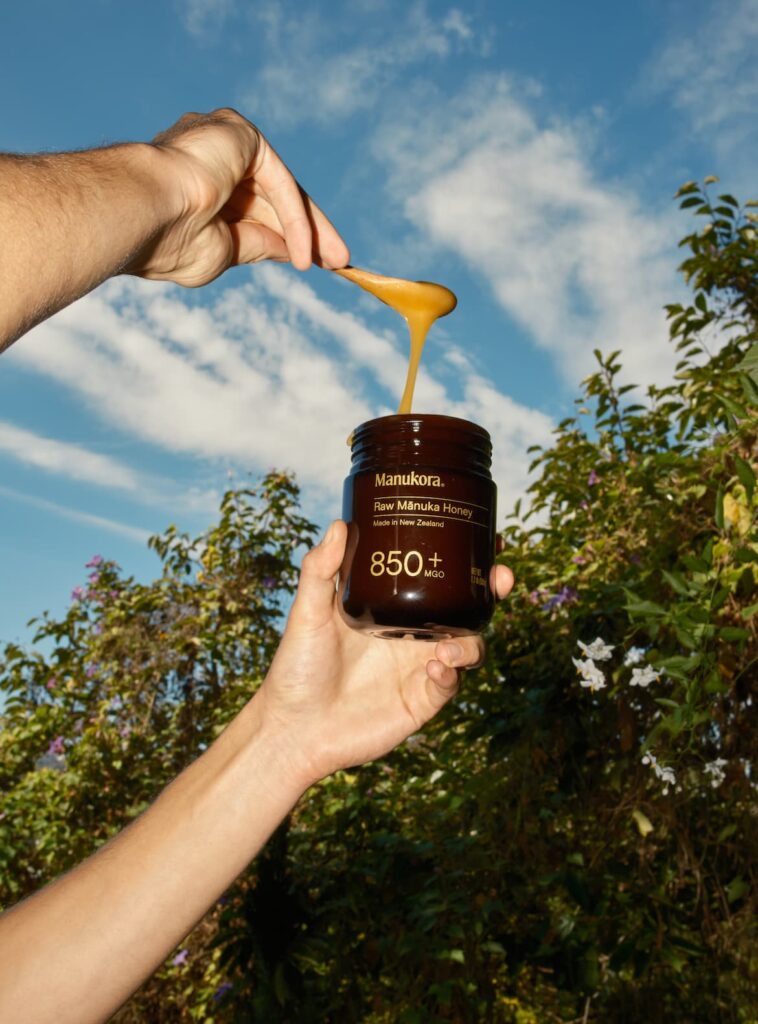
Thanks to its naturally low moisture content, acidic pH, and unique antimicrobial compounds, honey creates an environment where harmful microbes struggle to survive. That said, not all honey offers the same benefits.
Most commercial honey is heavily processed and filtered, which can destroy many of the enzymes, polyphenols, and beneficial compounds that make raw honey so valuable in the first place.
That’s why I prefer high-quality raw Manuka honey, particularly for travel, immune support, recovery, and everyday wellness.
What sets Manukora’s Manuka honey apart is its concentration of methylglyoxal (MGO), a naturally occurring compound that’s been studied extensively for its unique antibacterial properties.
My personal sweet spot is around MGO 850+, which provides a potent level of support while still being easy to use daily.
If you’d like to try it for yourself, head to Manukora’s site here to get 31% off your order, plus $25 in free gifts with their Starter Kit.
Podcasts I Recorded This Week:

You Wouldn’t Believe That “Quantum Energy” Works Until You Hear This & See THESE Photos.

The Latest Content I Was Featured On This Week:
Forget the Big Vacations. These Are the Family Rituals That Actually Matter — Front Row Dads
My Article Feed:
My full article feed and all archives of my articles are here.
This Week’s Most Popular Instagram Post:
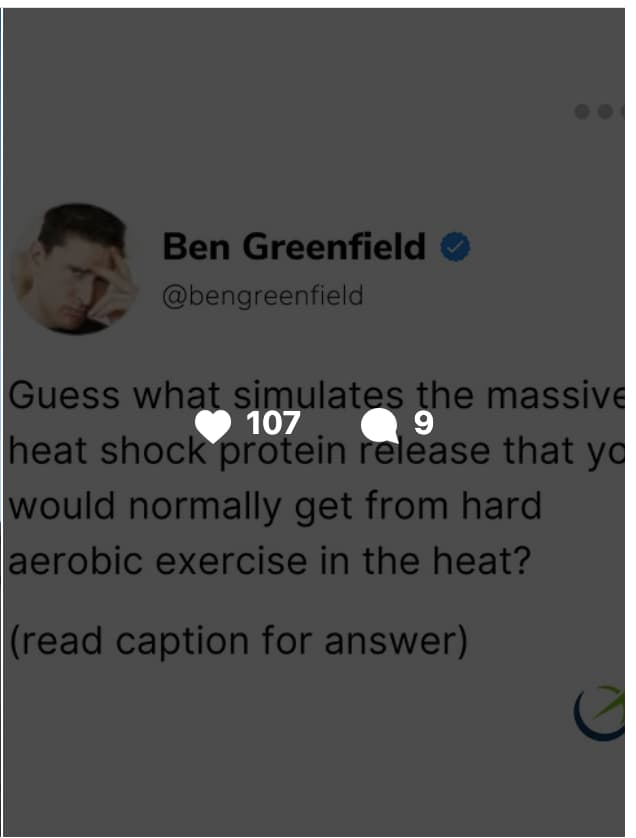
This Week’s Most Popular Tweet:

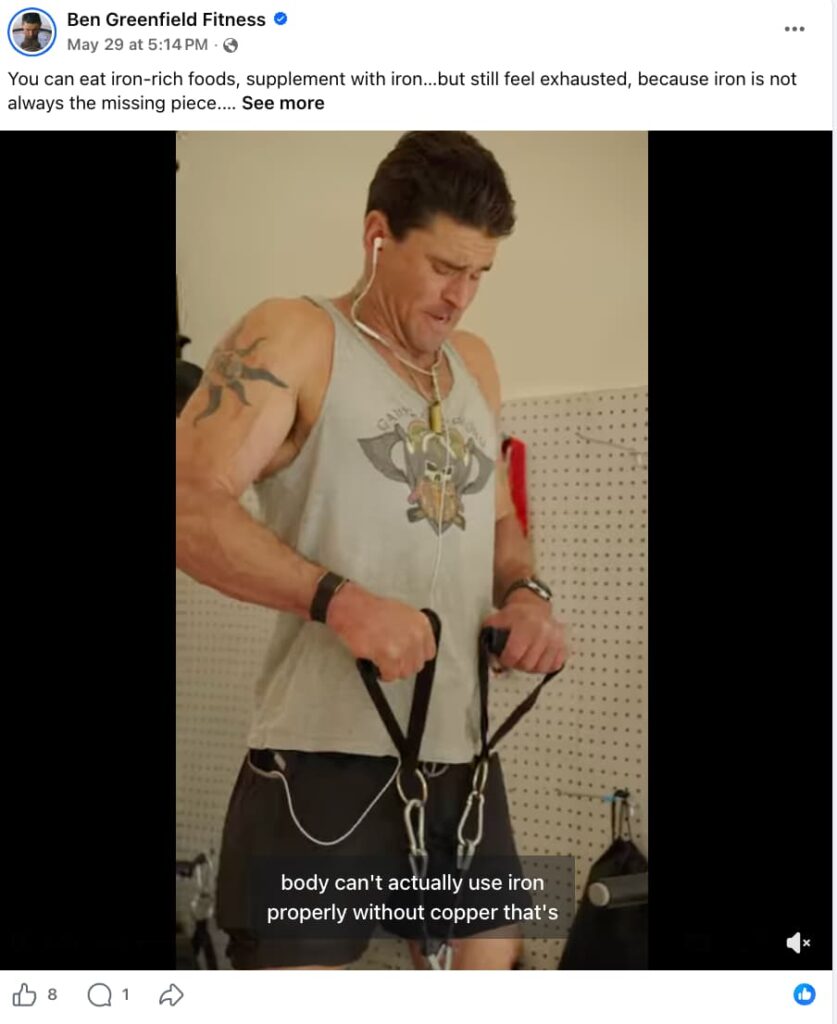
This Week’s Most Popular Facebook Post:
Cheers,
Ben