
Explore nopales benefits: these edible cactus pads offer anti-inflammatory effects and may aid blood sugar management. Discover why this desert plant could be a nutritious addition to your diet.
Looking at a cactus with its threatening spikes and tough skin, you might not immediately think, “Yep, that’s a thing I could eat.” But guess what? Some forms of cacti are edible, tasty, and quite good for you!
Check out why it might be a good idea to pal around with nopales, the pads of the prickly pear cactus.
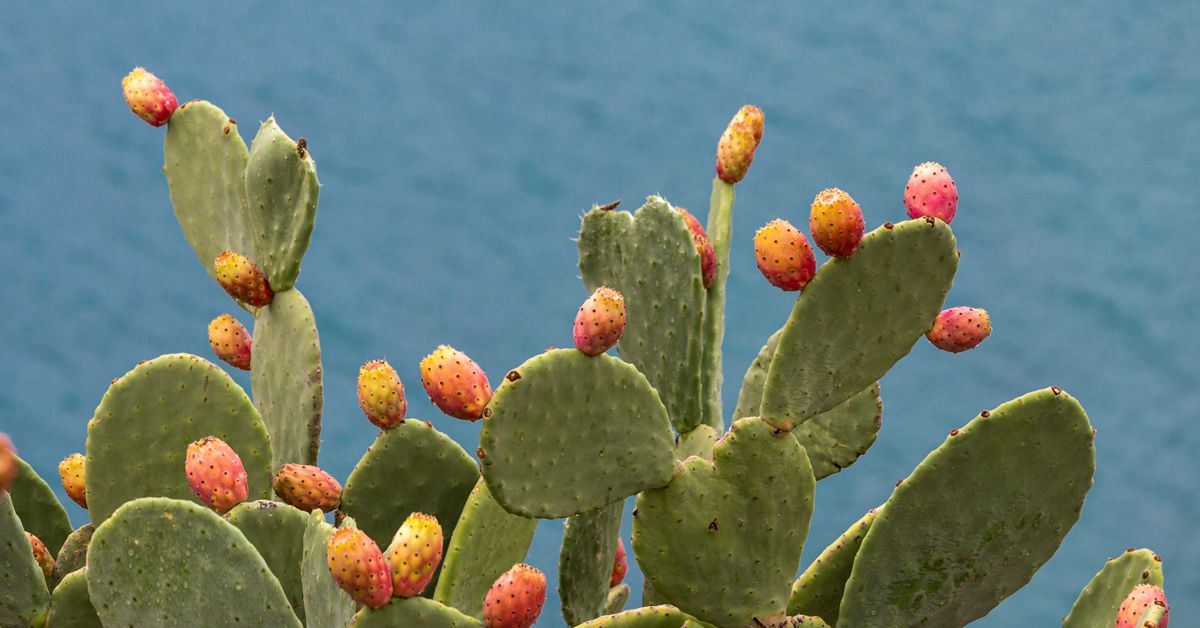
The nopal cactus, also known as the prickly pear or the opuntia, is a shrub-like, flowering cactus native to parts of Mexico, Arizona, the Mediterranean, Australia, and other desert regions. It might be recognized by its multitude of connected pads with flowering blooms. (A pad in bloom looks a little like a flat, green paw.)
Nopales flowers are filled with a viscous, seeded substance often used in jams, jellies, pies, cakes, and other sweets. But the stems, leaves, and entire pad (with spines removed, obvs) are also edible. Traditional Mexican preparations include boiling, grilling, and sautéing.
Science is still examining the possible benefits of nopales, so some touted wellness perks are fairly tentative. Here’s a look at what we know about these desert fruits.
Has anti-inflammatory properties
Almost any time you see bright colors in edible fruits, it’s a sign they contain antioxidants. This is def true for Nopales!
Older studies have found that the fruit inside their flowers is rich in antioxidants like ascorbic acid, phenolics, and a mixture of betacyanin and betaxanthin. These compounds help fight inflammation by kicking harmful free radicals out of your cells.
Might improve joint mobility
Since they combat inflammation, the antioxidants in prickly pear could improve joint mobility. In a 2020 study, people who drank 3 ounces of prickly pear juice daily for 8 weeks had better range of motion and greater ease with daily activities than a control group who drank a placebo.
Could help manage blood sugar
Research suggests nopales may help steady blood sugar. A 2014 study found that people with type 2 diabetes who ate nopales with a high-carb breakfast had significantly lower blood sugar and insulin levels compared to those who didn’t. However, this study only included 14 participants.
In 2019, a larger systematic review assessed the fruit’s potential for blood sugar regulation. While it found insufficient evidence to support using nopales to reduce the risk of type 2 diabetes, the authors noted it might significantly reduce blood glucose levels.
Could support liver health
Showing your liver some love might involve adding nopales (or a glass of nopal juice) to your diet. According to research from 2023, this has to do with prickly pear’s effects on triglycerides. By helping reduce triglyceride accumulation, nopales could relieve stress on the liver.
Contains electrolytes
Whether you’ve overdone it on booze or are down with a stomach bug, it’s important to rehydrate with a drink that contains electrolytes. Consider prickly pear juice as your back-on-the-wagon beverage. It’s got potassium, magnesium, and calcium to help rebalance your electrolyte levels.
Forms and doses of nopal cactus
If you can track down fresh nopales where you live, cooking it yourself is a fun (if somewhat complicated) way to take advantage of its benefits. If not, look for prickly pear products, such as juices, being sure to check for added sugars.
You can also take a supplement. Nopales supplements typically contain 500-650 milligrams (mg) per day.