
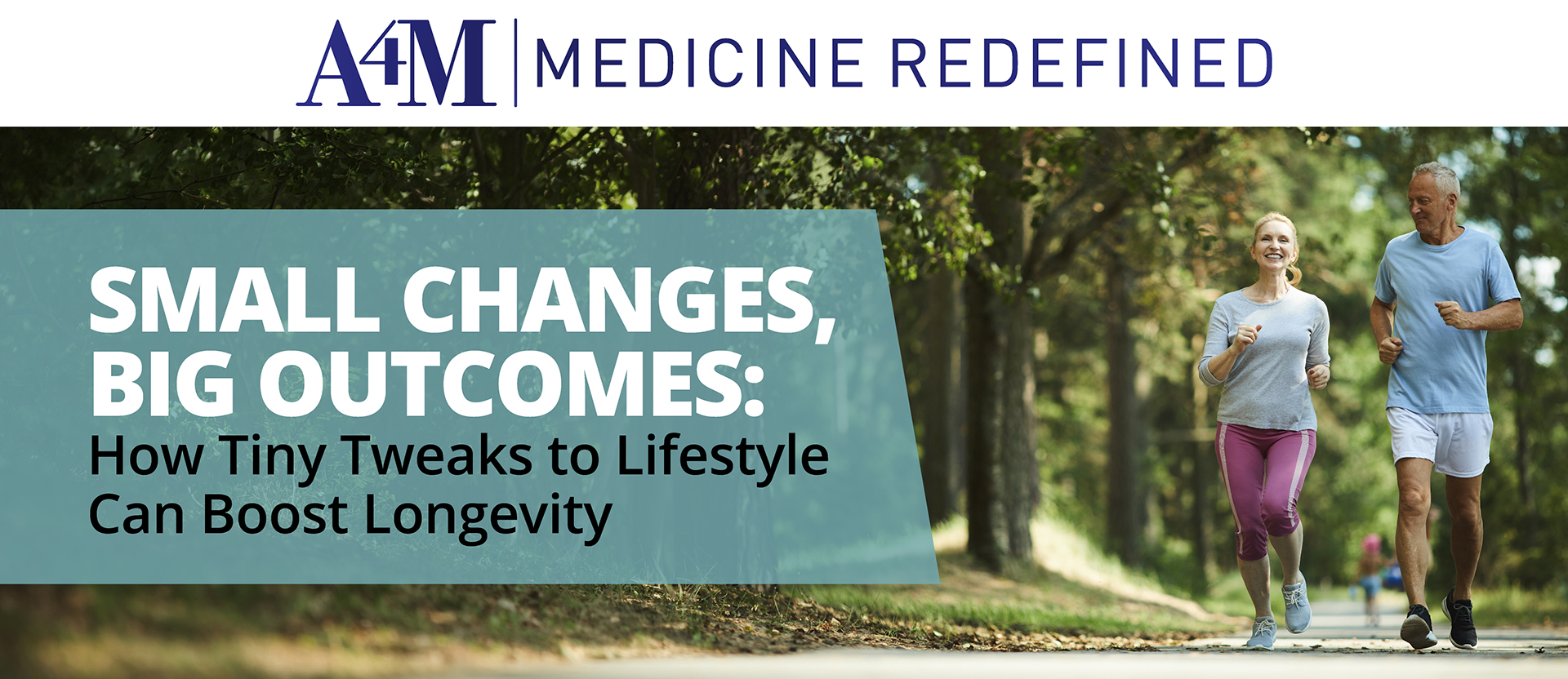
It’s the little things that count when it comes to living a longer, healthier life.
A new study published in The Lancet’s eClinicalMedicine journal suggests that getting even just a few more minutes of sleep and exercise, and eating an extra cup of vegetables every day, can significantly boost longevity and impact overall health.
In an analysis of data from the U.S., Sweden, Norway, and the UK, a team of international researchers found that small increases in daily physical activity—as little as an additional five-minute walk at a moderate pace—could potentially reduce mortality risk by as much as 10 percent, while adding a minimum of five minutes of sleep improvement per day can lead to a year of added lifespan, and an extra serving of vegetables can also contribute to a longer life.
“We always think that we need to make these massive overhauls, especially at the beginning of the year with New Year’s resolutions,” says lead study author Nicholas Koemel, a dietitian and research fellow at the University of Sydney. But “tweaks add up to make something meaningful. And that might make us be able to sustain them much further in the long run.”
For those who want to go beyond “tweaks,” the study showed where and how healthy lifestyle interventions can be most effectively applied to alter the aging trajectory and lead to significant improvements in overall health, wellness, and disease-free life expectancy.
SPAN Together
Rather than study the effects of diet, exercise, and sleep hygiene separately, researchers decided to look at these key determinants of life expectancy together, as pillars required to uphold health and longevity. Known collectively as SPAN, sleep, physical activity, and nutrition are often studied in isolation — but this study sought to determine the minimum combined SPAN improvements needed for a longer lifespan and healthspan, with the team focused on the combined relationship of sleep, physical activity, and diet. The results were conclusive: practicing good sleep, exercise, and diet together was important. “These behaviors are well known to be interconnected,” Dr. Koemel said. “We’ve all had that night where we don’t get as much sleep as we may want, and the next day we’re grabbing a bag of chips or perhaps not exercising as much.”
While the study certainly did conclude that small lifestyle improvements can significantly impact longevity and overall health, it also underscored the importance of working to elevate the frequency and quality of SPAN behaviors together to increase not just longevity but overall health span as well. Adding stress management to reduce worries and anxiety through relaxation techniques and maintaining strong social ties are also critical to enhancing longevity and boosting health and well-being.
Improving Lifespan and Healthspan
The link between social inactivity and cognitive decline, including Alzheimer’s disease, is an example of non-SPAN behavior that can be adjusted to improve longevity, with multiple studies showing that engagement with others can help preserve brain health and cognitive function. Similarly, research indicates that sitting for prolonged periods can lead to cognitive decline and thinner brain regions, particularly in the medial temporal lobe, which is crucial for memory. Adding positive habits and behaviors can lead to enhanced outcomes, but focusing on the basics of SPAN results, even in small measures, results in an undeniable advantage.
Dr. Koemel’s study showed a near-linear trend across joint SPAN tertile categories, leading to the conclusion that higher levels of sleep, moderate-to-vigorous physical activity (MVPA), and diet quality were associated with greater gains in lifespan and healthspan, and that MVPA appeared to be the primary contributor to observed gains in both categories.
Despite its importance, a commitment to adding more sleep without making any other SPAN changes would require sleeping 60 percent more per day to achieve just one additional year of lifespan. Similarly, improving diet alone is not enough to make any notable change in lifespan. It’s the combination of improvements that makes a difference, and the difference can be impressive. Leveling up to seven to eight hours of sleep per day, at least 40 minutes of daily MVPA, and a healthy diet was associated with over nine years of additional lifespan, nine years, most importantly, spent enjoying good health.
Concluding Thoughts
While in this case, less is not necessarily more, the study did note that even a minimum combined improvement of five minutes per day of sleep, 1.9 minutes per day of MVPA, and a five-point increase in diet quality score was associated with one additional year of lifespan. This prompted the study’s authors to conclude that by making small, realistic increases in the amount and quality of sleep, expanding daily MVPA, and adding healthy choices to the diet, a longer, healthier life is available with less effort than previously thought. Little things can, in fact, make a big difference.
Sources:

Minimum Combined Sleep, Physical Activity, and Nutrition Variations Associated with LifeSPAN and HealthSPAN Improvements: a Population Cohort Study

Want to Live Longer? Tiny Changes to Your Sleep, Exercise and Diet Could Add a Year to Your Life