Close Menu
LifeFitHaven.comLifeFitHaven.com
  • Diet & Nutrition
  • Weight Loss
  • Lifestyle
  • Mental Well-Being
  • Workouts & Exercise
  • Biohacking & Anti-Aging
What's Hot

Healing Through Ink and Art

April 29, 2026

Before You Try Harder, Ask a Better Question

April 29, 2026

High-Protein Breakfasts for Women Who Are Sick of Eggs

April 29, 2026
Facebook X (Twitter) Instagram
LifeFitHaven.comLifeFitHaven.com
  • Diet & Nutrition
  • Weight Loss
  • Lifestyle
  • Mental Well-Being
  • Workouts & Exercise
  • Biohacking & Anti-Aging
LifeFitHaven.comLifeFitHaven.com
Home»Weight Loss»5 People Who Should Never Try Fasting
Weight Loss

5 People Who Should Never Try Fasting

3 Mins Read
Facebook Twitter Pinterest LinkedIn Tumblr WhatsApp VKontakte Email
5 People Who Should Never Try Fasting
Share
Facebook Twitter LinkedIn Pinterest Email


These are the patients a registered dietitian would never recommend intermittent fasting to.

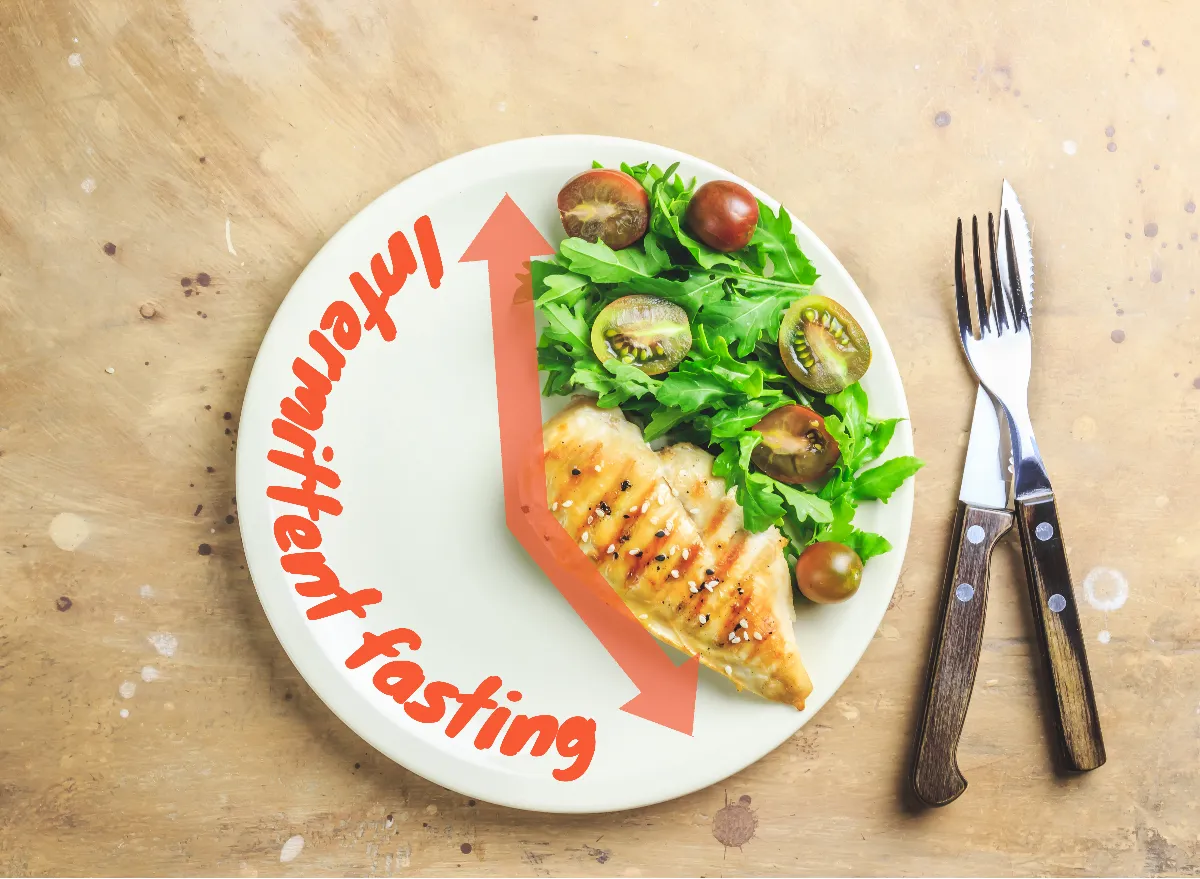
Intermittent fasting (IF) has been a weight-loss method many individuals have turned to. It involves an alternating eating and fasting pattern with a goal of weight loss, better metabolic wellness, and reduced inflammation. Some common patterns include fasting for 16 hours and restricting food intake to an eight-hour window. Others assume their regular eating pattern for five days straight, then limit their calorie intake to between roughly 500 and 600 for two consecutive days.

While positive results can be achieved from IF, there are also risks. If you are pregnant or have certain chronic conditions, intermittent fasting is not a viable choice for you. To learn more about this weight-loss method, we spoke with Ana Reisdorf, MS, RD, Registered Dietitian and Founder at GLP-1 Hub, who shares why she tells certain clients to avoid IF altogether.

Woman with strong muscle arms doing push ups for exercise
Shutterstock

For those in their 40s, 50s, and beyond, IF can make it challenging to meet daily protein needs, which can lead to increased muscle loss. This is concerning, as muscle mass already naturally decreases with age. In addition, it can decrease metabolic rate and increase cortisol (the stress hormone) over time.

Who Shouldn’t Intermittent Fast

Business woman, depression and stress in an office at night working late on deadline. Tired African entrepreneur person with hands on head for pain, burnout or regret for mistake or fail at work
Shutterstock

While IF can be a successful method for some—and there’s a ton of supporting research behind its benefits—it’s not the right path for everyone.6254a4d1642c605c54bf1cab17d50f1e

“In those with hormonal changes (menopause/perimenopause), high stress, or on GLP-1s, fasting can cause calorie/protein intake to drop too low, increasing fatigue, muscle loss, or hormonal dysregulation,” says Reisdorf.

Who’s More Likely To Experience Negative Effects

Tired senior gray-haired woman doing sports, jogging and walking in the park, standing with hands on knees and resting, breathing heavily.
Shutterstock

According to Reisdorf, women in menopause and perimenopause, those who have diabetes (especially type-1), those with greater nutritional requirements (i.e. athletes), and individuals taking GLP-1 medication are most likely to experience negative side effects of IF.

“These groups have higher protein needs, hormonal imbalances, and can’t really afford to underfuel,” Reisdorf explains.

How Common It Is To Experience Setbacks With IF

woman feeling tired and sluggish, concept of habits that drain energy
Shutterstock

Experiencing setbacks with IF is quite common, particularly in women who aren’t already consuming sufficient calories or those under significant stress.

“Many don’t realize they’re not eating enough because of IF until they feel exhausted, their hair starts falling out, they lose muscle, or weight loss completely stalls,” Reisdorf points out.

Mental and Behavioral Challenges You May Face When Fasting
leave food on plate
Shutterstock

IF typically increases obsessive thoughts about food, rebound overeating, and “black and white thinking” around eating habits.

“For some, IF makes an all-or-nothing mindset worse,” Reisdorf says.

​​If you’re curious about what else GLP-1s can do, check out 5 Surprising Health Benefits of GLP-1 Drugs That Have Nothing to Do With Weight Loss.

Alexa Mellardo

Alexa is a freelance writer, editor, and content strategist based in Greenwich, CT. She has 11+ years of experience covering wellness, fitness, food, travel, lifestyle, and home. Read more about Alexa


Source link

Share. Facebook Twitter Pinterest LinkedIn Tumblr WhatsApp Email
Previous ArticleMindful Tips to Avoid Overeating
Next Article Perimenopause, Why Your Old Plan Stopped Working And What To Do Now

Related Posts

Weight Loss

Flushing Calories with Fiber for Weight Loss

5 Mins Read
Weight Loss

9 Costco Bulk Foods Dietitians Swear By for Weight Loss

4 Mins Read
Weight Loss

How Much Licorice Is Safe?

6 Mins Read
Weight Loss

The Exercise “Myth” for Weight Loss

6 Mins Read
-Sponsored-
Don't Miss
Lifestyle
Lifestyle

Healing Through Ink and Art

4 Mins Read

For many, tattoos are much more than art. Peeps who have anxiety may get tattoos…

Before You Try Harder, Ask a Better Question

April 29, 2026

High-Protein Breakfasts for Women Who Are Sick of Eggs

April 29, 2026

5 Standing Exercises for Posture Strength After 50

April 22, 2026

Welcome to our fitness blog! We are a team of passionate fitness enthusiasts committed to sharing valuable information and tips on health, fitness, nutrition, and wellness. Join us on our journey to a healthier lifestyle!

Our Picks

5 Standing Exercises for Posture Strength After 50

A Safety-First Philosophy in Aesthetic Injectables

Is This Viral Meal Actually Healthy?

Catagories
  • Diet & Nutrition
  • Weight Loss
  • Lifestyle
  • Mental Well-Being
  • Workouts & Exercise
  • Biohacking & Anti-Aging
  • Privacy Policy
  • Terms and Conditions
  • About Us
  • Get In Touch
© 2026 LifeFitHaven.com

Type above and press Enter to search. Press Esc to cancel.